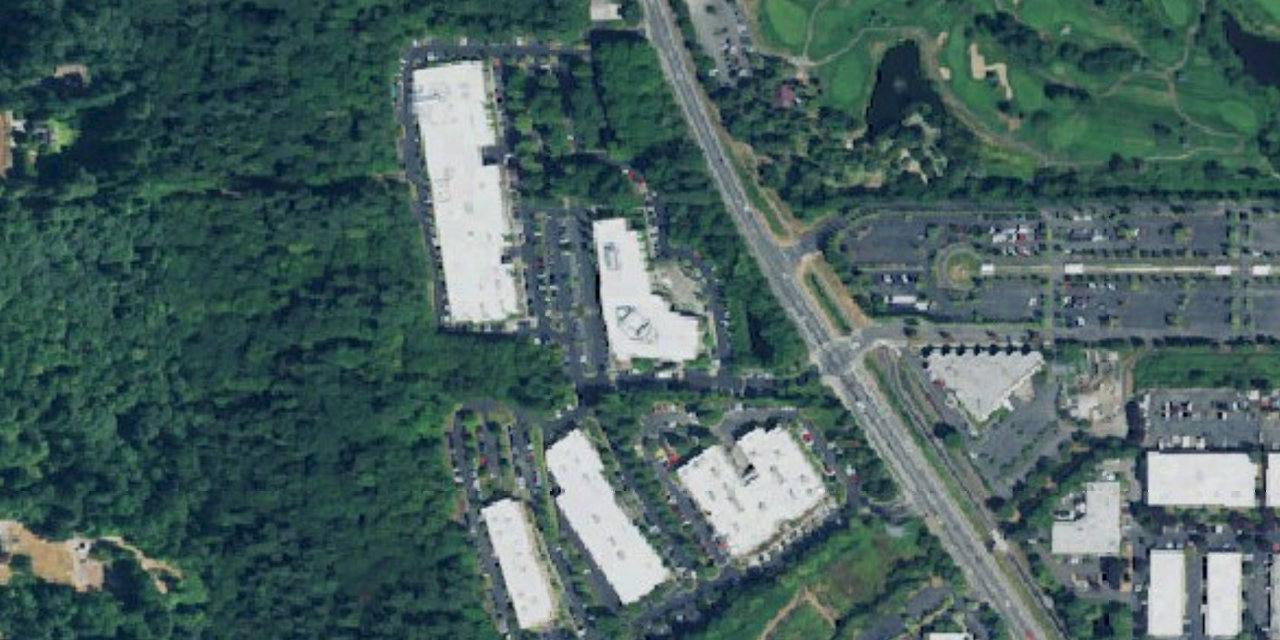
Regional college
#3 Most selective colleges in WashingtonDigiPen Institute of Technology
Redmond, WA · Private for-profit · 4-year
Your real cost
Average price after aid $44,446 a year
Median debt at graduation: $27,000 (all students)
Estimate your own price · the college’s net price calculator
Rankings
Where this college places on our top lists. Lists are worked out from official data and our own research; places in the top quarter of each list are shown. See every list
In America
In Washington
Academic Excellence
Each measure counts for the share shown.
- Graduation rate 35% of scoreThis measure counts for 35% of the Academic Excellence score.61%
- First-year retention 20% of scoreThis measure counts for 20% of the Academic Excellence score.76%
- Entering students' test scores 15% of scoreThis measure counts for 15% of the Academic Excellence score.SAT 1,297 · ACT 28
- Student-to-faculty ratio 15% of scoreThis measure counts for 15% of the Academic Excellence score.11 to 1
- Instructional spending per student 15% of scoreThis measure counts for 15% of the Academic Excellence score.$10,848
Bars show points on each measure’s scale. How Academic Excellence is computed.
Source: College Scorecard (College Scorecard, most recent cohorts (data release 06/10/2026))
What families pay, by income
Average yearly price after grants and scholarships, for students who receive federal aid.
| Family income | Price after aid |
|---|---|
| Up to $30,000 | |
| $30,001–$48,000 | |
| $48,001–$75,000 | |
| $75,001–$110,000 | |
| Over $110,000 |
Full cost of attendance before aid: $55,588 a year.
Use the college’s net price calculator for your own estimate.
Cost and value
Federal data: what families pay after aid, what graduates earn, and what they owe.
| Undergraduate students Fall enrollment (IPEDS) | 1,042 |
|---|---|
| Men and women College Scorecard, fall 2023 | Men 67% · Women 33% |
| First-generation students College Scorecard | 17% |
| Total students | 1,100 |
| Average net price (per year) After grants and scholarships, for students receiving federal aid | $44,446 |
| Cost of attendance (per year) | $55,588 |
| Median federal debt at graduation | $27,000 |
| Graduation rate First-time, full-time students finishing within 150% of normal time | 61% |
| Graduation rate for Pell grant recipients College Scorecard, within 6 years | 54% |
| Graduation rate for first-generation students College Scorecard, within 6 years | 52% |
| Borrowers paying down their loans within 3 years College Scorecard, within 3 years | 79% |
| First-year retention | 76% |
| Median earnings 10 years after entry | $79,878 |
| Admission rate | 64% |
| Application fee IPEDS, 2023–24 | $60 |
| Students receiving Pell grants | 22% |
| Average SAT | 1297 |
|---|---|
| SAT reading & writing | 590–700 |
| SAT math | 560–700 |
| ACT composite | 27–29 |
| Test policy | Considered but not required |
Value: Solid (how it’s computed)
Sources: College Scorecard · IPEDS College Navigator · Net price calculator
College Scorecard, most recent cohorts (data release 06/10/2026); IPEDS 2024-25 directory and institutional characteristics; fall 2023 enrollment.
Earnings by major
Median earnings of bachelor’s graduates a few years after finishing, by major (College Scorecard).
| Major | Median earnings |
|---|---|
| Programming | |
| Software and media applications | |
| Human Computer Interaction | |
| Graphic communications |
Also offered (no earnings published yet): Computer engineering, Computing and information science, Music.
What students study most
Share of bachelor’s degrees by field, first majors in 2023–24 (IPEDS).
| Field | Share of degrees |
|---|---|
| Computer and information sciences | |
| Communications technology | |
| Interdisciplinary studies | |
| Visual and performing arts | |
| Engineering |
Campus life
| School colors | |
|---|---|
| Setting | City |
| Part-time undergraduates | 9% |
| Undergraduates aged 25 and older | 16% |
| On-campus room and board (per year) | $19,512 |
| Students per faculty member | 11 to 1 |
| Undergraduates registered with the disability office | About 17%IPEDS, 2023–24 |
| Disability services | Visit the office’s pageThe college’s own page |
| Faculty who are full-time | 49%College Scorecard, fall 2023 |
| Dorm space | For about 32% of studentsBeds per undergraduate; not who lives on campus |
| Nearest airport with airline service | Seattle Paine Field International Airport (PAE)About 16 miles away · about 30 minutes by car |
| Nearest major airport | Seattle–Tacoma International Airport (SEA)About 18 miles away |
| Town population | 77,353Census, 2020–2024 |
| Nearest city of 250,000 people or more | SeattleAbout 11 miles away · about 30 minutes by car |
| Typical weather | 42°F in January · 67°F in JulyNOAA, 1991–2020, from Seattle Sand Pt Wsfo, WA, about 5 miles away |
Federal data (IPEDS and College Scorecard), except school colors.
Campus safety reports
On-campus crimes reported in 2024, per 1,000 students.
| Category | This campus | U.S. rate |
|---|---|---|
| Rape | 0.00 | 0.07 |
| Robbery | 0.00 | 0.01 |
| Aggravated assault | 0.00 | 0.04 |
| Burglary | 0.00 | 0.08 |
| Motor vehicle theft | 0.00 | 0.15 |
Numbers reflect what each campus reported. They differ with campus size and how reporting is done, so compare with care. U.S. rate: total reported offenses divided by total students at every institution in the report.
Questions families ask
- What is DigiPen Institute of Technology’s Compass Score?
- Very good (grade B+). It ranks in the top 31% of rated colleges. The grade comes from outcomes (40%: graduation, retention and earnings), entering students (40%: test scores and selectivity), cost (15%: debt and price after aid) and teaching (5%: class size), all from federal data.
- How much does DigiPen Institute of Technology cost after financial aid?
- The average net price is $44,446 a year for students who receive federal aid, after grants and scholarships. What your family pays depends on income; the college’s net price calculator gives your own estimate.
- How hard is it to get into DigiPen Institute of Technology?
- DigiPen Institute of Technology admitted 64% of applicants in the most recent federal data.
- How do DigiPen Institute of Technology’s graduates do?
- 61% of first-time, full-time students graduate within six years; the median earnings of former students ten years after entry are $79,878; the median federal debt at graduation is $27,000.
Ask the school
Something you want to know that isn’t on this page? Ask it here. We send it to the school, and their answer appears on this page. Your name is never shared.
Reviews
Personal experiences from signed-in readers. Reviews are moderated automatically and never change a school’s grades.
No reviews yet.
Sign in to write a review.
My rating and notes
Sign in or create a free account to rate this school privately, keep notes, and save it to your list.
About this school’s data
- IPEDS unit ID 443410
- Carnegie classification: Baccalaureate college (diverse fields)
- Accreditation: Accrediting Commission of Career Schools and Colleges (U.S. Department of Education DAPIP)
- Report an error or a newer source
- Respond as this school
Colleges like this one
The same kind of school first, then the closest in selectivity, size and cost.
Compare side by side: DigiPen Institute of Technology vs Grove City
More in Washington · Washington rankings